
Ankle Arthritis
Is it arthritis? Understanding Ankle pain, stiffness, and what you can do next to keep moving.
Is ankle pain or stiffness making walking, stairs or uneven ground more difficult? Ankle osteoarthritis may be one cause. This guide explains what may be happening, what can help and when to have your ankle assessed.

Common symptoms
Pain during or after activity
Stiffness after sitting or first thing in the morning
Recurring swelling around the ankle
Reduced ankle movement
Walking on uneven ground feels harder
The ankle may feel unstable or give way
What’s happening: the stages of arthritis
Osteoarthritis is common and progressive, but many people manage it well, particularly when symptoms are understood early and the right treatments are considered. Stages describe how the joint looks on an X-ray; pain and damage do not always match, and your symptoms matter more than the stage.
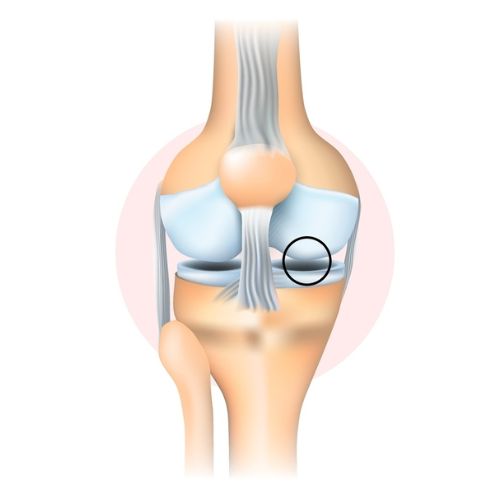
Minimum disruption but already 10% cartilage loss, which starts the cascade of worsening damage within the joint.
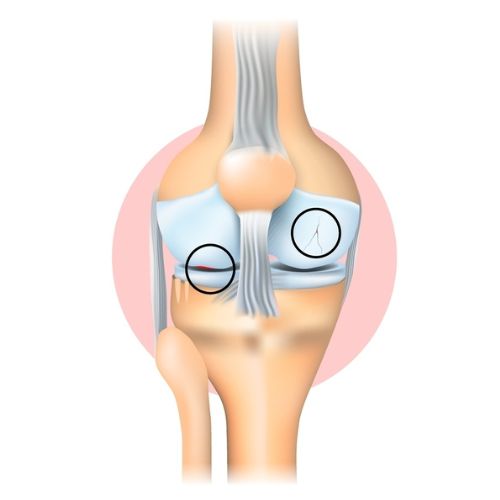
Joint-space narrowing. The cartilage begins breaking down with the bone roughening underneath.
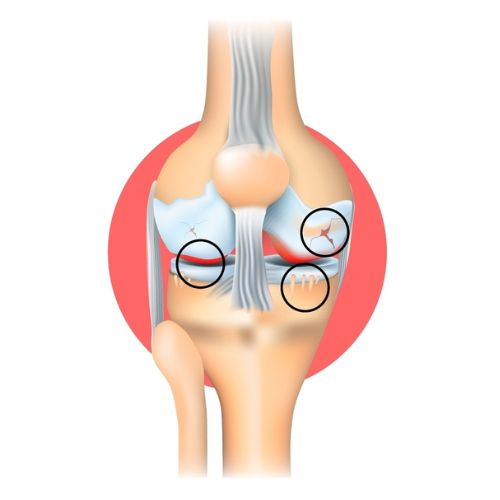
Joint space is now reduced with gaps in the cartilage forming through to the bone, causing greater pain on movement.
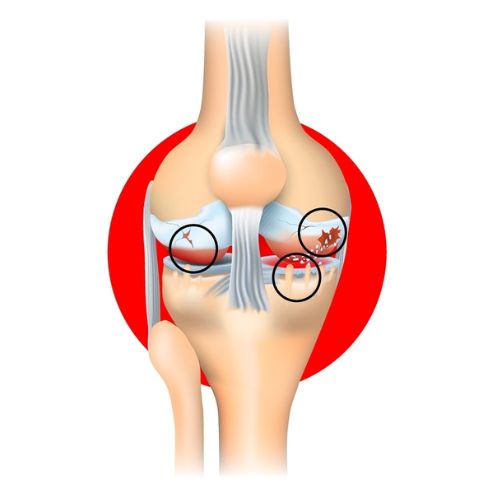
Joint space greatly reduced and 60% of the cartilage is now lost, with roughened bone surface visible.
How ankle arthritis is assessed
NICE recommends exercise as a core treatment for osteoarthritis. Getting an image or scan straight away is not always needed, and arthritis symptoms can sometimes overlap with other health issues, so it is always best to seek professional advice.
A clinician will usually begin by discussing your symptoms: when the pain occurs, what it stops you doing and how it has changed over time.
How the joint moves, its strength, swelling, stability, tenderness and your walking pattern are assessed.
A standing X-ray can show joint-space narrowing and bony change. A scan straight away is not always needed to start treatment.
Ultrasound or MRI in selected cases, usually guided by a specialist when the picture is unclear.
What helps: movement, support and the right treatment at the right time

Regular movement can help reduce stiffness and maintain ankle mobility. Strengthening the calf and the muscles around the foot and ankle can improve support, balance and confidence when walking.

Supportive footwear, insoles, and tweaks to daily activity can reduce irritation without stopping you from being active. Where relevant, weight management can also reduce load through the ankle.
A physiotherapist can assess movement, strength, balance, walking pattern and ankle stability. This is particularly useful when pain follows an earlier sprain, fracture or other injuries.

All the options can be supported with physical treatments like injections, bracing, and cold compression therapy at the right time. Support during activity can be particularly helpful in sports.
What to do next
If ankle pain is continuing to affect your movement, activity or everyday life, you may want to understand the additional treatment options available. Some people are looking for greater support during daily activity, while others want to explore treatments for persistent arthritis pain.
While many physiotherapists and clinicians use such options to help progress your movement and rehabilitation.
We only work with leading technologies and manufacturers, who are trusted nationally within the NHS and private clinics, endorsed by clinical specialists
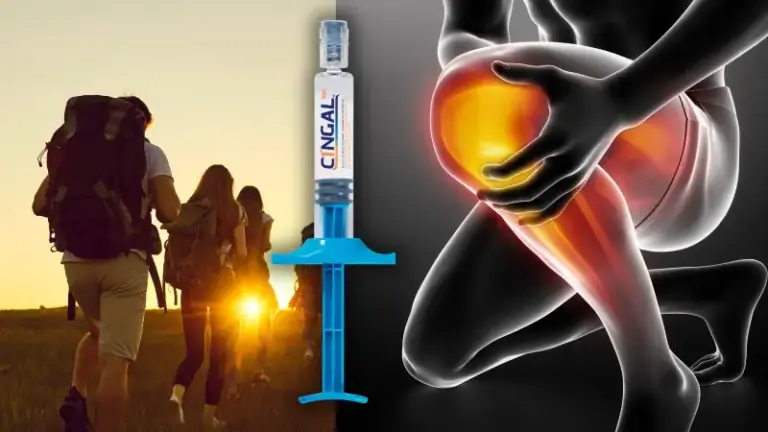
A clinically designed combination of hyaluronic acid and a targeted, safer steroid, developed for quick and longer-lasting relief from osteoarthritis pain. Clinically proven to last significantly longer than a steroid alone.

Developed for larger joints to promote lubrication, cushioning, and the regeneration of the joint’s own HA. Used by clinicians to help manage osteoarthritis-related joint pain in the knee, hip, ankle and shoulder, over 3 million times.

If you have joint pain, swelling or instability, one of the simplest and most effective tools is external support. It’s not alwasy a heavy, restrictive support that's needed. The right level of compression or bracing can help you to stay active or recover from an injury.
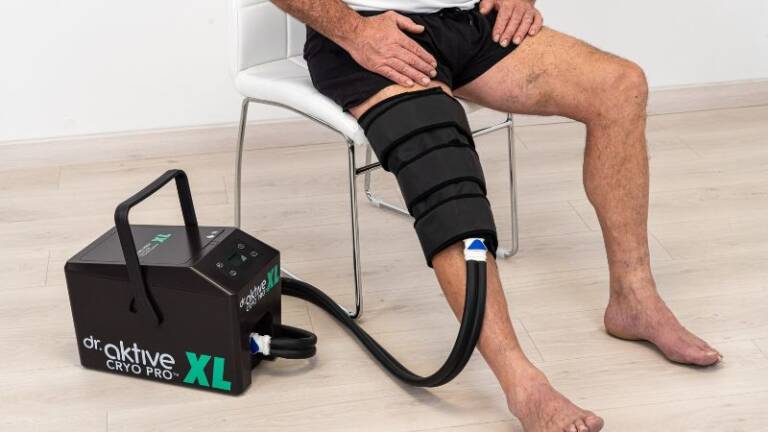
When a joint becomes irritated, the body increases blood flow to the area. This helps healing, but it also creates swelling and pressure within the joint. The right levels of compression combined with cold reduce pain and swelling, while enhancing recovery.
Related stories and articles
All stories & articles →
Steroid vs. Hyaluronic Acid and Why Cingal is a Game-Changer for Dr Mehrdad Bordbar

From Knee Swelling and Stiffness to Moving Freely Again

“My knee feels very mobile, and I’m experiencing no pain at all"
Faq’s about Ankle issues and pain
What can cause ankle pain without an obvious injury?
Ankle pain can gradually develop through changes in activity, repetitive loading, unsuitable footwear or problems affecting the tendons and ligaments.
Osteoarthritis, inflammatory arthritis and gout can also cause ankle pain. Persistent or worsening pain should be assessed rather than self-diagnosed.
How can I tell if my ankle pain is a sprain or arthritis?
An ankle sprain usually follows a twist or sudden movement and may cause immediate pain, swelling and bruising. Ankle arthritis more often causes recurring pain, stiffness after rest, reduced movement and difficulty walking on hills or uneven ground. Symptoms can overlap, so an assessment may be needed.
What is the difference between ankle arthritis and ankle osteoarthritis?
Arthritis is a general term for conditions affecting a joint. Osteoarthritis is one type of arthritis and involves changes to the cartilage, bone and other tissues within the joint. Ankle pain can also be caused by inflammatory forms of arthritis, including rheumatoid arthritis or gout.
What are the early symptoms of ankle osteoarthritis?
Early symptoms can include pain during or after activity, stiffness after sitting or first thing in the morning, swelling and reduced ankle movement. Walking on uneven ground, hills or stairs may become more difficult, and the ankle may occasionally grind, lock or feel less reliable.
Can an old ankle sprain or fracture cause arthritis?
Yes. Ankle osteoarthritis commonly develops after an earlier injury, sometimes many years after a fracture, significant sprain or repeated ankle instability. Previous injury can affect the cartilage, alignment or stability of the joint and gradually change how load passes through it.
How long does a sprained ankle take to heal?
A mild ankle sprain should begin to improve within several days, but more significant ligament injuries can take weeks or sometimes months to fully recover. Seek advice if you cannot put weight through the ankle, if the pain is worsening or if it has not started improving after around two weeks.
Why does my ankle keep swelling?
Recurring swelling can be caused by ongoing irritation within the joint, ankle arthritis, tendon problems or incomplete recovery from an earlier injury. Swelling that is sudden, hot, red or accompanied by fever or feeling unwell needs prompt medical attention.
Why does my ankle keep giving way?
An ankle may continue to give way if its ligaments have not fully recovered after a sprain or if strength, balance and joint-position awareness have been affected. Physiotherapy, stability exercises and an appropriate ankle brace can often help. Repeated instability should be properly assessed.
Should I keep walking and exercising with ankle pain?
Complete rest is rarely the best long-term answer, but activity may need to be adjusted. Gentle movement and appropriate strengthening can help maintain mobility and support. Reduce activities that cause a significant increase in pain or swelling and seek advice before exercising after a serious injury.
When should ankle pain be assessed?
Arrange an assessment if ankle pain is stopping normal activities, keeps returning, is getting worse or has not improved with simple measures. Seek urgent help following a serious injury if the ankle looks deformed, you cannot put weight through it, you experience numbness or it becomes hot, red and very swollen.
Do I need an X-ray, ultrasound or MRI for ankle pain?
Not everyone with ankle pain needs a scan. Standing X-rays can be useful when ankle arthritis, previous fracture or an alignment problem is suspected. Ultrasound can assess tendons, ligaments and swelling, while MRI or CT may be used when the cause remains unclear or detailed treatment planning is required.
Can physiotherapy and footwear help ankle pain?
A physiotherapist can assess ankle movement, strength, balance, stability and walking pattern before developing an appropriate rehabilitation plan. Supportive footwear, insoles or changes to training and daily activity may also reduce irritation and improve confidence when walking.
Do ankle braces and supports help arthritis or instability?
An ankle brace may provide stability, limit painful movement and improve confidence during everyday activity. Different braces offer different levels of compression, support and movement control, so the right choice depends on whether the main problem is swelling, instability, arthritis or recovery from injury.
Can injections help ankle arthritis?
Joint injections may be considered when ankle arthritis continues to cause pain despite exercise, footwear changes, bracing and other treatments. Options can include corticosteroid, hyaluronic acid or PRP injections. Their suitability and likely benefit vary, so the painful joint should be accurately identified and the options discussed with an appropriately qualified clinician.
Can ankle arthritis be cured, and will I need surgery?
Ankle osteoarthritis cannot currently be cured, but symptoms can often be managed without surgery through exercise, footwear, braces, medication and other treatments. Surgery is generally considered when pain is severely affecting everyday life and non-surgical options have not provided enough relief. The main surgical options for advanced ankle arthritis are ankle fusion and ankle replacement.
Talk your options through with a specialist
We only recommend trusted partners who purchase from the UK licensed supplier, Eos Active.