
Hip Arthritis
Is it arthritis? Understanding hip pain, stiffness, and what you can do next to keep moving.
Is hip pain or stiffness making walking, stairs or getting in and out of a car more difficult? Hip osteoarthritis may be one cause. This guide explains what may be happening, what can help and when to have your hip assessed.

Common symptoms
Pain is often felt in the groin
Pain may spread into the thigh, buttock or knee
Stiffness and reduced movement, worse after long periods in one position
Walking, stairs and getting in and out of a car become harder
Pain can disturb sleep
A change in the way you walk
What’s happening: the stages of arthritis
Osteoarthritis is common and progressive, but many people manage it well, particularly when symptoms are understood early and the right treatments are considered. Stages describe how the joint looks on an X-ray; pain and damage do not always match, and your symptoms matter more than the stage.
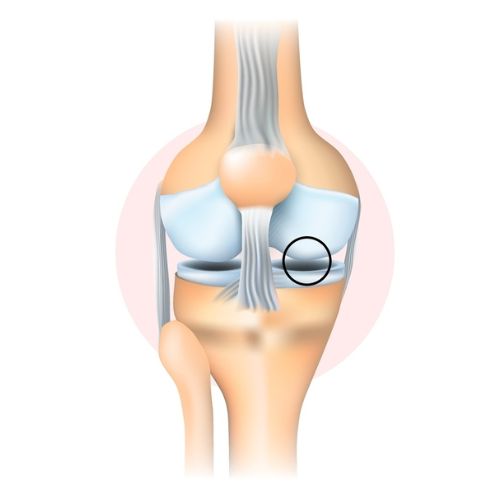
Minimum disruption but already 10% cartilage loss, which starts the cascade of worsening damage within the joint.
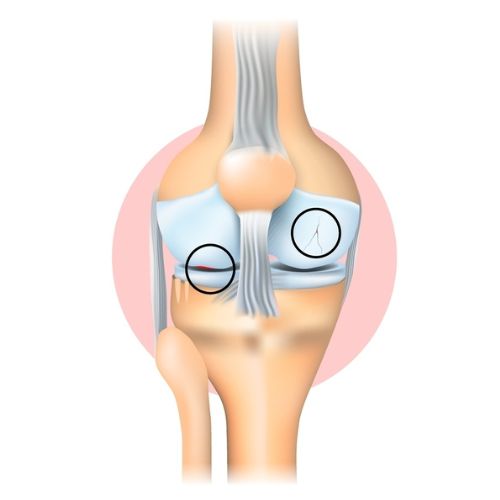
Joint-space narrowing. The cartilage begins breaking down with the bone roughening underneath.
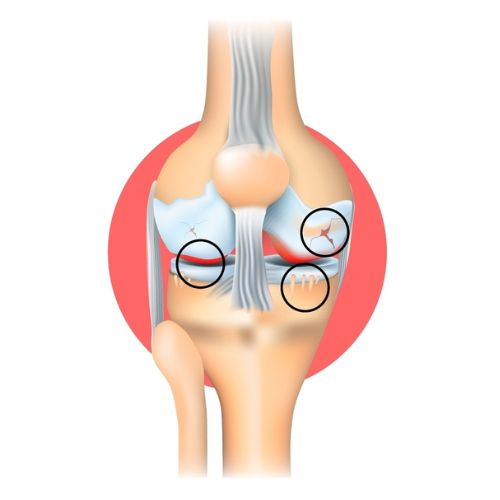
Joint space is now reduced with gaps in the cartilage forming through to the bone, causing greater pain on movement.
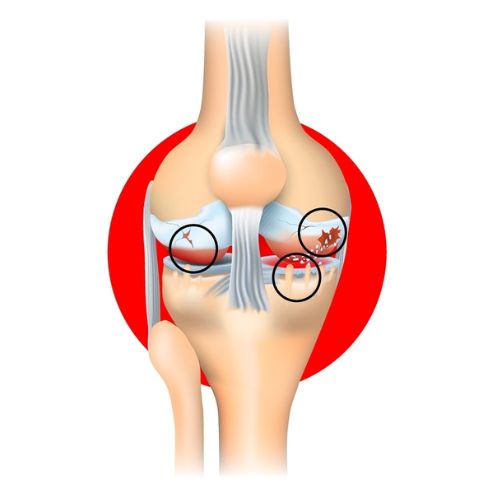
Joint space greatly reduced and 60% of the cartilage is now lost, with roughened bone surface visible.
How hip arthritis is assessed
NICE recommends exercise as a core treatment for osteoarthritis. Getting an image or scan straight away is not always needed, and arthritis symptoms can sometimes overlap with other health issues, so it is always best to seek professional advice.
A clinician will usually begin by discussing your symptoms: when the pain occurs, what it stops you doing and how it has changed over time.
How the joint moves, its strength, swelling, stability, tenderness and your walking pattern are assessed.
A standing X-ray can show joint-space narrowing and bony change. A scan straight away is not always needed to start treatment.
Ultrasound or MRI in selected cases, usually guided by a specialist when the picture is unclear.
What helps: movement, support and the right treatment at the right time

Long periods in one position can increase stiffness. Breaking up sitting time, taking shorter and more regular walks or choosing lower-impact activities such as cycling and swimming can help maintain movement.

Body weight can influence the load the joint manages each day. Where relevant, gradual weight loss through realistic changes to diet and activity may reduce symptoms and make walking and exercise easier.
Strength in the buttock, thigh and core muscles helps control the hip during walking, climbing stairs and standing from a chair. A physiotherapist can help if you are limping, losing confidence or unsure which hip exercises are appropriate.

Persistent hip pain may need more than exercise alone. Options can include pain-relieving medication, an image-guided joint injection and, when symptoms are severely affecting everyday life, a surgical assessment.
What to do next
If hip pain is reducing how far you can walk, disturbing your sleep or making everyday tasks more difficult, you do not need to wait until it becomes unbearable before asking for help.
A GP, physiotherapist or musculoskeletal clinician can help establish whether the pain is coming from the hip joint or the surrounding tissues. Depending on what they find, the next step might include targeted exercise, pain management, an image-guided injection or a referral for a specialist surgical opinion.
Use the treatment pages below to understand what each option is intended to achieve and which questions may be useful to ask. e do have an online shop with many options, where there may be some further information for managing hip pain, although they are more aligned to knee, ankle and arm pain, where bracing is most effective

A clinically designed combination of hyaluronic acid and a targeted, safer steroid, developed for quick and longer-lasting relief from osteoarthritis pain. Clinically proven to last significantly longer than a steroid alone.

Developed for larger joints to promote lubrication, cushioning, and the regeneration of the joint’s own HA. Used by clinicians to help manage osteoarthritis-related joint pain in the knee, hip, ankle and shoulder, over 3 million times.
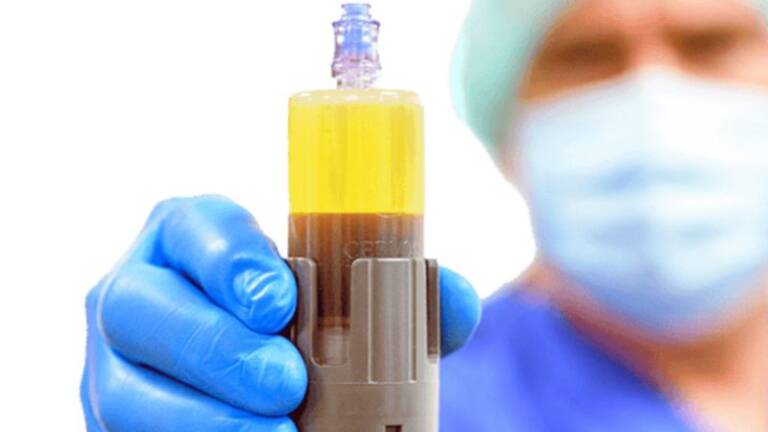
From a relatively small blood draw, platelets, which have great healing potential, can be separated from the rest of your blood. This gives the clinician a plasma full of cells and platelets that can support your joint health.
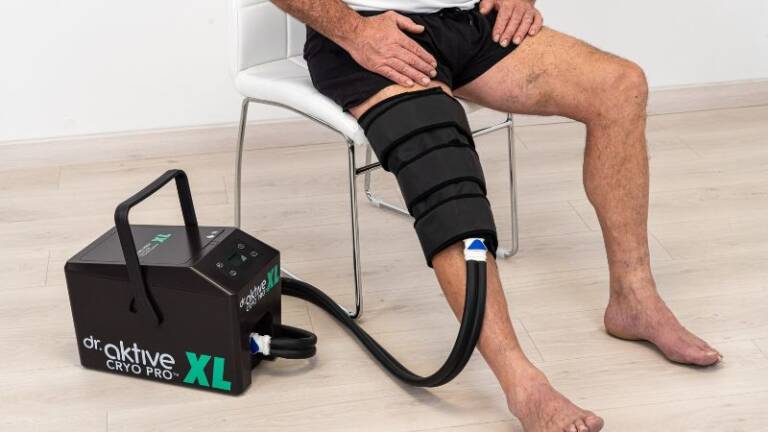
When a joint becomes irritated, the body increases blood flow to the area. This helps healing, but it also creates swelling and pressure within the joint. The right levels of compression combined with cold reduce pain and swelling, while enhancing recovery.
Related stories and articles
All stories & articles →
Steroid vs. Hyaluronic Acid and Why Cingal is a Game-Changer for Dr Mehrdad Bordbar

From Knee Swelling and Stiffness to Moving Freely Again

“My knee feels very mobile, and I’m experiencing no pain at all"
Faq’s about hip issues and pain
What are the common symptoms of hip osteoarthritis?
Hip osteoarthritis commonly causes pain, stiffness and reduced movement. Pain is often felt in the groin, but it may also spread into the thigh, buttock or knee. You may notice difficulty walking, using stairs, getting out of a chair, putting on shoes and socks or getting comfortable at night.
Can hip arthritis cause groin, thigh or knee pain?
Yes. Pain from the hip joint is frequently felt in the groin or front of the thigh, but it can travel as far as the knee. This is known as referred pain. Some people seek advice about knee pain before discovering that the hip is the main source of their symptoms.
Is all hip pain caused by arthritis?
No. Hip pain can also come from tendons, muscles, bursae, the lower back or other structures around the joint. The location of the pain, how it started and which movements aggravate it can all provide useful clues. A clinical assessment can help establish the most likely cause.
How is hip osteoarthritis diagnosed?
A clinician will usually begin by discussing your symptoms and examining how the hip moves. They may also assess your strength, walking pattern and lower back. An X-ray can help confirm osteoarthritis, but imaging is not always needed immediately, and the amount of change visible does not always match the severity of someone’s pain.
Is exercise safe when you have hip osteoarthritis?
Exercise is considered a core treatment for hip osteoarthritis. Strengthening the muscles around the hip and maintaining general activity can improve function and confidence. Some initial discomfort can occur when beginning a programme, so exercise should be introduced progressively and adapted to your current ability.
What is the best treatment for hip osteoarthritis?
There is no single treatment that is right for everyone. Management may include education, exercise, physiotherapy, activity changes, weight management where relevant and appropriate pain relief. Image-guided injections or referral for hip replacement may be considered when symptoms continue to have a substantial effect on everyday life.
When should I have persistent hip pain assessed?
Consider an assessment if hip pain is getting worse, disturbing your sleep, changing the way you walk or limiting everyday activities. Sudden severe pain, an inability to bear weight, pain following a fall, fever or a hot and swollen joint should receive prompt medical attention.
What types of injections are used for hip pain?
Injections used for hip joint pain can include corticosteroid, hyaluronic acid or combined preparations. They work in different ways and are not suitable for every cause of hip pain. Availability also varies, and hyaluronic acid injections are not routinely recommended by NICE for osteoarthritis within NHS care. A clinician should explain the evidence, limitations and alternatives.
How do hip injections work?
Corticosteroid injections aim to reduce inflammation and may provide relatively rapid relief. Hyaluronic acid injections are designed to supplement the natural fluid within the joint and improve its lubricating properties. Combined injections aim to address inflammation while also providing hyaluronic acid. Individual responses vary, and no injection can guarantee an improvement.
Why are hip injections usually image-guided?
The hip is a deep joint surrounded by important nerves and blood vessels. Ultrasound or X-ray guidance allows the clinician to see the needle and place the treatment accurately within the joint. This improves confidence that the injection has reached the intended location and helps avoid nearby structures.
Can a hip injection delay or prevent hip replacement?
An injection may reduce pain and make exercise or everyday activity easier for a period of time, but it does not reverse established osteoarthritis. It should not be presented as a guaranteed way of avoiding surgery. For some people it forms part of non-surgical management, while others may still require a specialist opinion about hip replacement.
When should hip replacement be considered?
Hip replacement may be considered when pain, stiffness and loss of function are having a substantial effect on quality of life and non-surgical treatments are no longer providing enough relief. The decision should be based on your symptoms, health, goals and readiness for surgery, rather than your age or X-ray result alone.
Talk your options through with a specialist
We only recommend trusted partners who purchase from the UK licensed supplier, Eos Active.