
Knee Arthritis
Is it arthritis? Understanding knee pain, stiffness, and what you can do next to keep moving.
Is knee pain or stiffness making walking, stairs or getting up from a chair more difficult? Knee osteoarthritis is common, but there are several ways to manage the symptoms and stay active. This guide explains what may be happening, what usually helps and when it is worth getting your knee assessed.
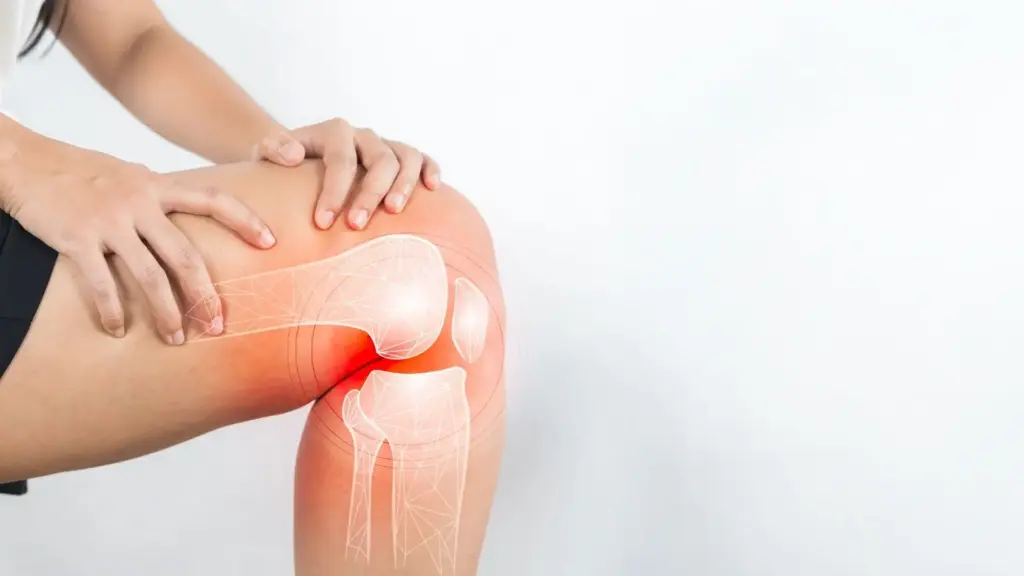
Common symptoms
In the knee, especially in the morning or after sitting
Discomfort when walking longer distances
Pain when climbing stairs or squatting
Mild swelling around the joint
A feeling of grinding or reduced smooth movement
Symptoms fluctuate, with comfortable periods followed by flare-ups
What’s happening: the stages of arthritis
Osteoarthritis is common and progressive, but many people manage it well, particularly when symptoms are understood early and the right treatments are considered. Stages describe how the joint looks on an X-ray; pain and damage do not always match, and your symptoms matter more than the stage.
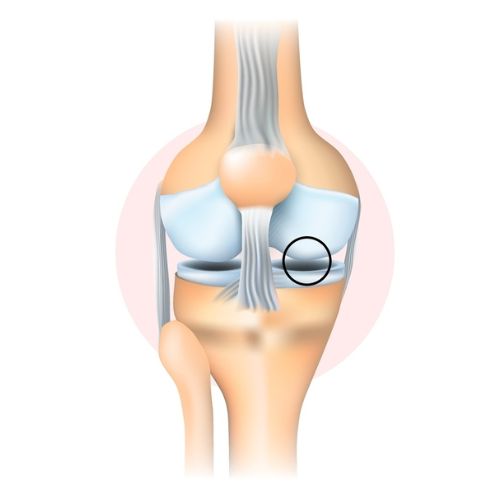
Minimum disruption but already 10% cartilage loss, which starts the cascade of worsening damage within the joint.
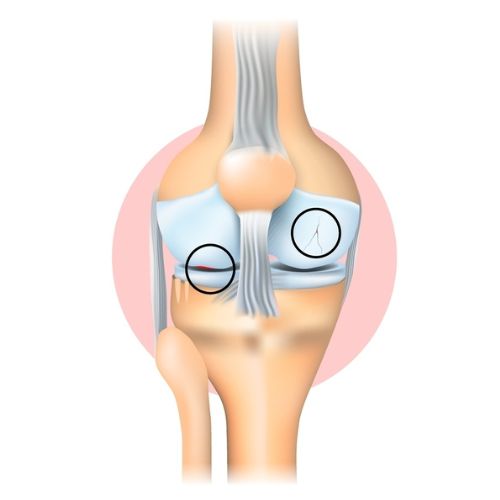
Joint-space narrowing. The cartilage begins breaking down with the bone roughening underneath.
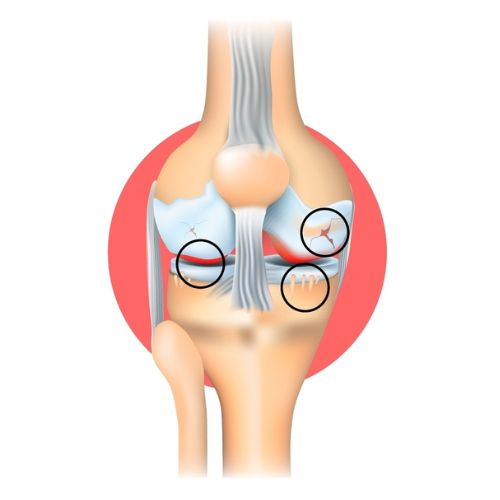
Joint space is now reduced with gaps in the cartilage forming through to the bone, causing greater pain on movement.
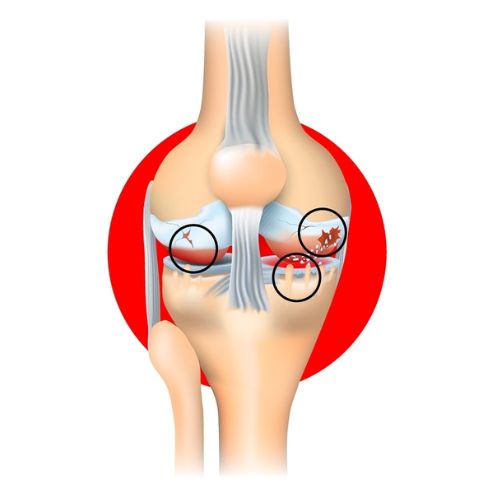
Joint space greatly reduced and 60% of the cartilage is now lost, with roughened bone surface visible.
How knee arthritis is assessed
NICE recommends exercise as a core treatment for osteoarthritis. Getting an image or scan straight away is not always needed, and arthritis symptoms can sometimes overlap with other health issues, so it is always best to seek professional advice.
A clinician will usually begin by discussing your symptoms: when the pain occurs, what it stops you doing and how it has changed over time.
How the joint moves, its strength, swelling, stability, tenderness and your walking pattern are assessed.
A standing X-ray can show joint-space narrowing and bony change. A scan straight away is not always needed to start treatment.
Ultrasound or MRI in selected cases, usually guided by a specialist when the picture is unclear.
What helps: movement, support and the right treatment at the right time

Exercise is central to knee OA care. Strength around the quadriceps, hips and calf can help the knee feel more supported and capable.

Small changes in load, footwear, pacing and training volume can make the joint more manageable without needing to stop being active.
A good physiotherapist looks at the whole picture: strength, balance, swelling, walking pattern, confidence and function.

All the options can be supported with phyical treatments like injections, bracing, cold compression therapy, at the right time
What to do next
If knee pain is continuing to affect your movement, activity or everyday life, you may want to understand the additional treatment options available. Some people are looking for greater support during daily activity, while others want to explore treatments for persistent arthritis pain.
While many physiotherapists and clinicians use such options to help progress your movement and rehabilitation.
We only work with leading technologies and manufacturers, who are trusted nationally within the NHS and private clinics, endorsed by clinical specialists
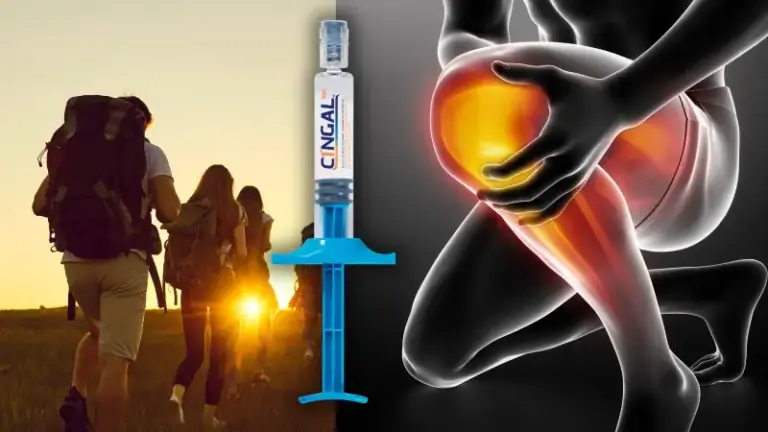
A clinically designed combination of hyaluronic acid and a targeted, safer steroid, developed for quick and longer-lasting relief from osteoarthritis pain. Clinically proven to last significantly longer than a steroid alone.

Developed for larger joints to promote lubrication, cushioning, and the regeneration of the joint’s own HA. Used by clinicians to help manage osteoarthritis-related joint pain in the knee, hip, ankle and shoulder, over 3 million times.

If you have joint pain, swelling or instability, one of the simplest and most effective tools is external support. It’s not alwasy a heavy, restrictive support that's needed. The right level of compression or bracing can help you to stay active or recover from an injury.
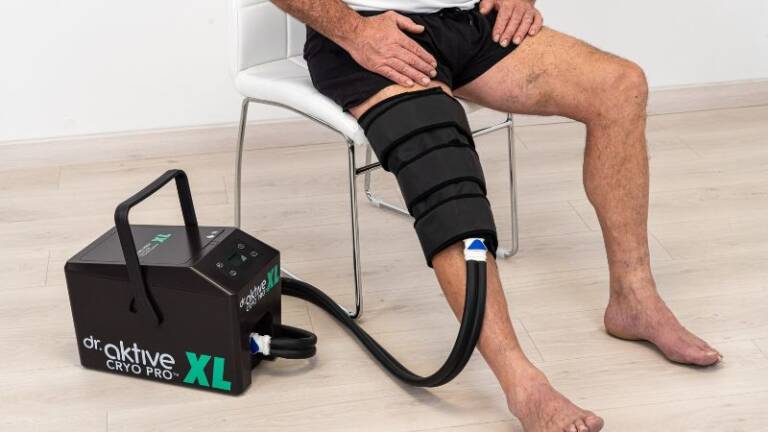
When a joint becomes irritated, the body increases blood flow to the area. This helps healing, but it also creates swelling and pressure within the joint. The right levels of compression combined with cold reduce pain and swelling, while enhancing recovery.
Related stories and articles
All stories & articles →
Steroid vs. Hyaluronic Acid and Why Cingal is a Game-Changer for Dr Mehrdad Bordbar

From Knee Swelling and Stiffness to Moving Freely Again

“My knee feels very mobile, and I’m experiencing no pain at all"
Faq’s about Knee Arthritis
What is knee arthritis
Knee arthritis usually refers to knee osteoarthritis, a condition where the cartilage that covers the ends of the bones in the knee gradually wears down.
Cartilage normally allows the joint to move smoothly and absorb load during walking and activity. As this cartilage becomes thinner, the joint can become stiff, irritated and painful.
Osteoarthritis is one of the most common causes of knee pain in adults and often develops slowly over time.
What are the early symptoms of knee arthritis?
Early symptoms of knee osteoarthritis can develop gradually and may vary between people.
Common early signs include:
- stiffness in the knee, especially in the morning or after sitting
- discomfort when walking longer distances
- pain when climbing stairs or squatting
- mild swelling around the joint
- a feeling of grinding or reduced smooth movement in the knee
Symptoms often fluctuate, with periods where the knee feels relatively comfortable followed by flare-ups.
Where is knee arthritis pain usually felt?
Pain from knee arthritis is often felt around the front or inside of the knee joint, although it can vary.
Some people experience:
- pain behind the kneecap
- discomfort along the inner side of the knee
- aching around the whole joint after activity
Because the knee carries body weight during walking and movement, pain may worsen after standing, walking longer distances or using stairs.
Can exercise help knee arthritis?
Yes. Exercise and strengthening are one of the most important parts of managing knee osteoarthritis.
Strengthening the muscles around the knee can help:
- support the joint
- reduce pressure on damaged cartilage
- improve stability and walking ability
- reduce pain during daily activity
Many people benefit from guidance from a physiotherapist or musculoskeletal specialist when starting an exercise programme.
What treatments are available for knee arthritis?
Treatment usually follows a step-by-step approach.
This may include:
- physiotherapy and strengthening exercises
- weight management and activity modification
- short-term pain relief medications when needed
- supportive treatments such as bracing or cold therapy
- injection therapies for joint pain
- surgical assessment in more advanced cases
The goal of treatment is usually to reduce pain and help people remain active for as long as possible.
When are knee injections considered for arthritis?
Injection therapies may be considered when knee pain continues despite physiotherapy and conservative treatments.
They are often used when:
- pain is limiting walking or activity
- symptoms flare due to inflammation inside the joint
- patients want to delay or avoid surgery
Injections are normally delivered directly into the joint by clinicians experienced in musculoskeletal care.
What types of injections are used for knee arthritis?
Several types of injections may be used depending on the symptoms and stage of osteoarthritis.
Common options include:
- corticosteroid injections to reduce joint inflammation
- Hyaluronic acid injections to support joint lubrication
- other regenerative or biologic treatments in specialist clinics
- There are also newer gel type or polymer injections but these are still fairly new.
A clinician can help determine whether injection therapy is appropriate and which option may be most suitable.
Can hyaluronic acid injections help knee arthritis?
Hyaluronic acid occurs naturally within healthy joint fluid and helps the joint move smoothly.
In osteoarthritis the quality of this fluid can change. Hyaluronic acid injections aim to improve lubrication and cushioning within the joint.
Some patients experience improvements in pain and mobility following treatment, particularly when injections are combined with strengthening and rehabilitation.
Can knee arthritis be cured?
There is currently no cure for osteoarthritis, but many treatments can help manage symptoms effectively.
Most treatment plans aim to:
- maintain joint movement
- strengthen the muscles around the knee
- reduce inflammation and pain
- support activity and mobility
Many people live active lives with knee osteoarthritis when symptoms are managed appropriately.
Is there a best injection for knee arthritis?
Every patient is different, there is no one-size-fits-all approach and it will depend on the stage of arthritis
However, Cingal represents the highest chance of success across all options (92%)
Talk your options through with a specialist
We only recommend trusted partners who purchase from the UK licensed supplier, Eos Active.